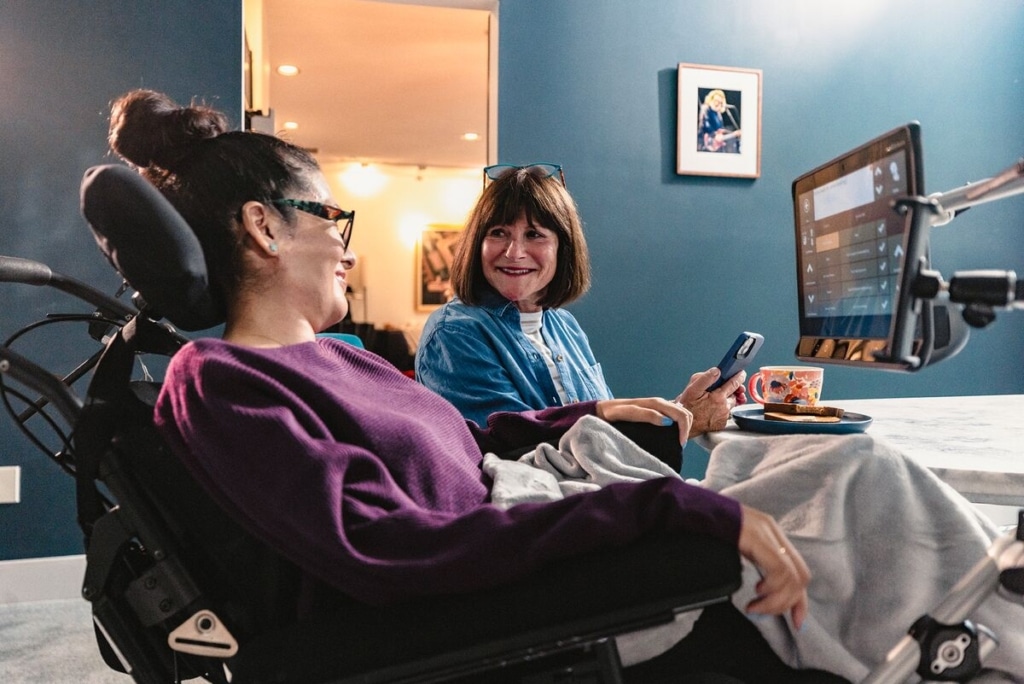
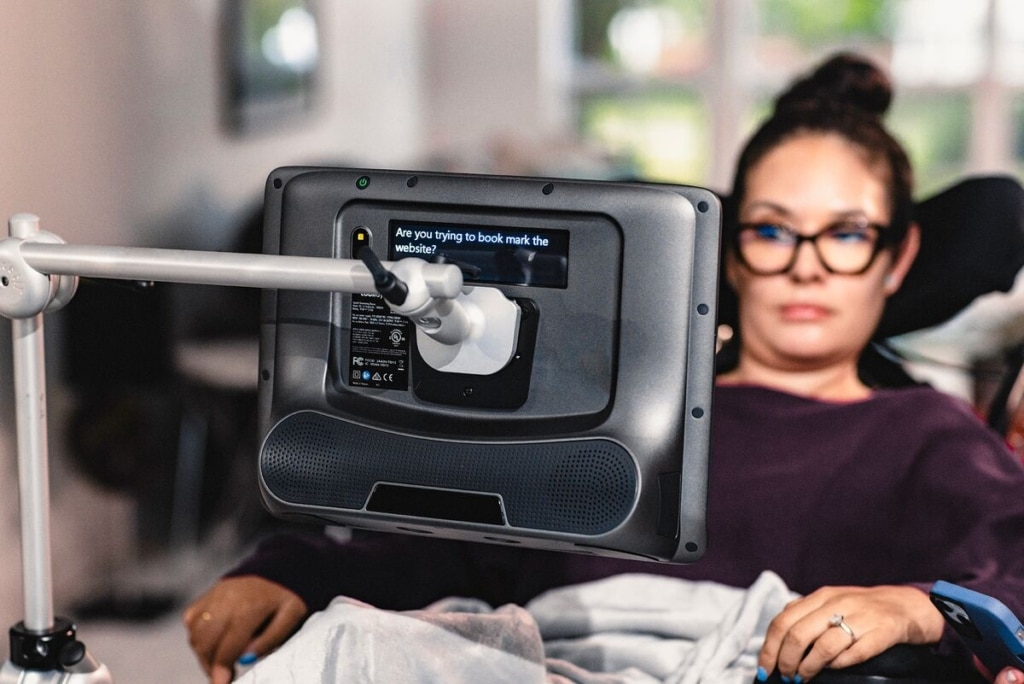
MND and Assistive Technology
NDIS MND Specialist Pathway & Assistive Technology: A Guide for Health Professionals
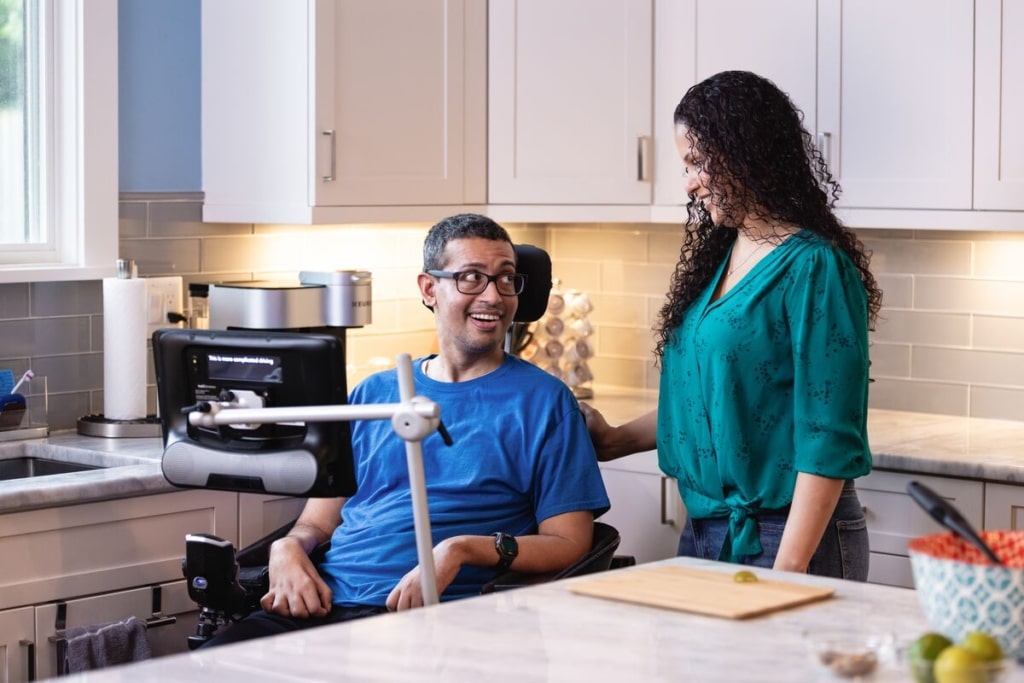

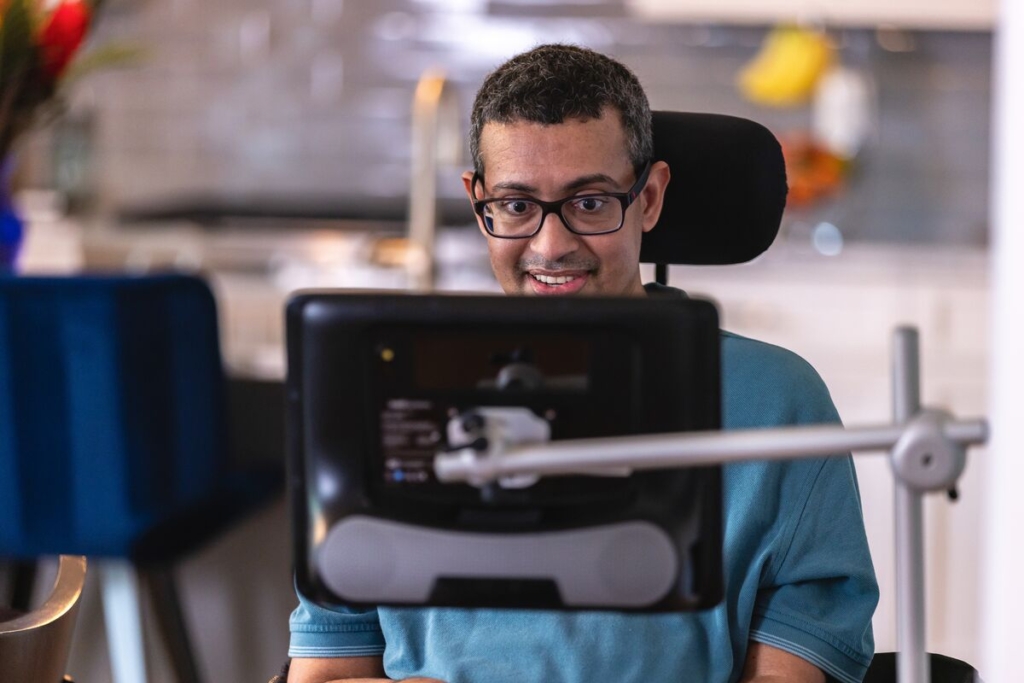
1. Introduction to MND and NDIS
Motor Neurone Disease (MND) is a progressive neurological condition that affects movement, communication, and daily functioning. The National Disability Insurance Scheme (NDIS) provides funding and support for individuals with disabilities, including those with MND that meet the eligibility criteria. Due to the rapid progression of MND, the NDIS has developed a Specialist Pathway to streamline access to essential supports.
2. Overview of the Specialist Pathway
The NDIS MND Specialist Pathway is designed to ensure timely access to funding and supports for individuals with MND. Key features include:
- Streamlined approvals for Assistive Technology (AT) and home modifications
- Prioritise rental funding
- Support for plan changes (section 47A amendments) with clinical evidence
- Dedicated team of NDIS assessors who are trained to process MND specific applications
- MND state organisations have a dedicated ‘go-to’ NDIS contact who they can raise issues with
- Expectation that communication devices last five years
3. Assistive Technology: Categories and Funding
Assistive Technology is central to supporting individuals with MND. The specialist pathway supports fast-tracked access to AT that is reasonable, necessary, and tailored to individual needs. AT NDIS funding categories include:
High-cost AT: over $15,000 (e.g., TD I-Series)
Low-cost AT: under $1,500 (e.g., voice amplifier, boogie board)
Mid-cost AT: $1,500–$15,000 (e.g., TD Navio, TD Pilot)
Refer to NDIS website for further information: Providing assistive technology | NDIS
4. Evidence-Based Justification for AT
Peer-reviewed studies such as Connors et al (2017) support the use of AT for individuals with MND, highlighting:
- High prevalence of concurrent equipment needs
- Communication devices are essential for independence and autonomy
- Equipment needs vary by MND phenotype
- Early access prevents isolation and supports quality of life
5. FAQs for Allied Health Professionals
The NDIS MND Specialist Pathway streamlines support for people with Motor Neurone Disease. It offers faster plan approvals, dedicated assessors, prioritised assistive technology and home modifications, rental funding options, and flexible plan amendments with clinical evidence. It aims to ensure timely, tailored support due to the rapidly progressing nature of MND.
The NDIS will fund AT that is reasonable and necessary due to a person’s disability, including equipment such as communication devices, mounting, mobility aids, transfer devices, orthoses, ADL equipment, home modifications and other assistive technologies. Applications need to demonstrate that equipment is reasonable and necessary – they must be supported by clinical evidence.
The level of evidence depends on whether the item is low, mid or high-cost. It often includes assessment and comparison of the trialled AT options. Further information on evidence requirements for each cost category can be found here
There is a dedicated team of NDIS assessors who are trained to process MND specific applications. High-cost or technical equipment requests may still also require approval from separate technical advisors. Generally, AT applications aim to be approved within 4 weeks, as opposed to longer for other participants.
The MND state organisations have a dedicated ‘go-to’ NDIS contact, who can raise concerns, delays, issues and has authority to override previous NDIS decisions.
Unfortunately, not everyone with MND is eligible for NDIS funding, such as if they apply at age 65+. There are a number of national and state-based funding options as well as charities that can be applied to, such as:
– My Aged Care (National)
State-based MND associations may offer free or subsidised services such as equipment loans, advisory and support coordination, support groups, carer support programs and allied health.
– MND SA
– MND WA
– MND TAS
– MND NSW (supports ACT & NT)
– MND VIC
– MND QLD
– Community Aids and Equipment Program (WA)
– Medical Aids Subsidy Scheme (MASS) (QLD)
– Electronic Communication Devices Scheme (VIC)
– Enable (NSW)
– MND and Me Foundation (QLD)
– Local Lions Clubs (National)
6. Equipment Loan & Rental Options
- Link Assistive provides free short-term loans and paid rentals
- The MND association’s equipment service in your state:
- Check with associated hospitals, MND Clinics, therapy organisations and AT suppliers such as Link Assistive
7. Downloadable Resources and Trial Guides
Visit Link Assistive’s website to access:
- Trial support videos and resources: AAC Trial Process – Link Assistive
- Trial templates:
- Reporting guides: NDIS Assistive Technology Report Writing Tips – Link Assistive
- Feature-matching tools, such as:
- Device comparison charts:
8. Contact with Link Assistive Clinical Team
For consultation with a clinical team member, please contact your state representatives: Link Assistive Clinical Team